
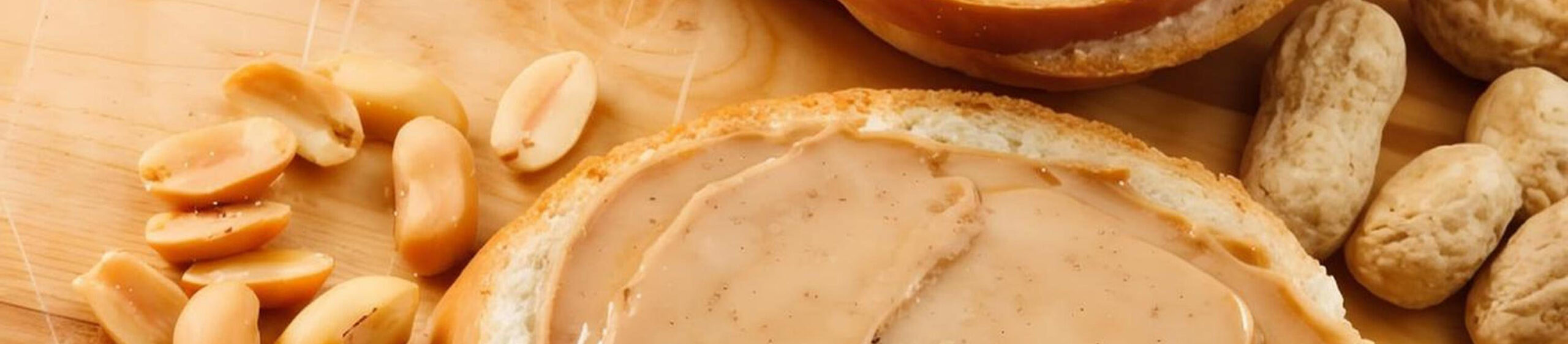
Why do nearly all major peanut butter brands insist on roasting peanuts before hulling them? This is not merely a matter of habit, but a carefully considered engineering choice that directly impacts product quality, yield, and operating costs. Below, we will draw on food science and processing technology to detail the three core advantages of this approach.

1. Optimal Flavor
Roasting triggers the Maillard reaction—a complex chemical reaction between reducing sugars and amino acids that generates hundreds of volatile flavor compounds. When peanuts are roasted with their skins on, the skins act as a natural thermal buffer, allowing heat to penetrate evenly into every part of the peanut kernel. This ensures:
- A stable internal temperature profile (typically maintained at 160–180°C for 20–30 minutes), which promotes the balanced formation of pyrazines, furans, and Streckaldehydes—key molecules responsible for nutty, caramel, and roasted aromas.
- A reduced risk of localized overheating, which can destroy heat-sensitive flavor precursors and produce bitter or burnt flavors.
If the peanut skins are removed first, the exposed cotyledons are more susceptible to uneven radiant heat, leading to inconsistent browning and flavor—a critical flaw for large-scale peanut butter production lines, where batch-to-batch consistency is paramount.
2. Optimizing Peeling Efficiency and Preserving Peanut Kernel Integrity
During roasting, moisture in the peanut skin (cob) evaporates rapidly (moisture content drops from approximately 6–8% to <2%), causing it to shrink and become brittle. This thermal dehydration process significantly weakens the adhesion between the cob and the cotyledons, making subsequent peeling more efficient.

When used in conjunction with a dry-type peanut peeling machine, this process achieves:
- A dehusking rate exceeding 98%, a kernel breakage rate below 3%, and complete preservation of the cotyledons, thereby improving grinding uniformity.
- Reduced reliance on water or chemical pretreatment, elimination of additional drying steps, and minimization of wastewater treatment costs.
- Reduced mechanical stress on the dehusking rollers, extending the service life of rubber or abrasive components in the peanut dehusker.
Omitting roasting or cold dehusking typically results in stubborn adhesion of the husk, requiring greater mechanical force, which in turn increases the production of fine powder and the release of oil—both of which compromise the texture and shelf life of the final peanut butter.
3. Reducing Microbial Risks and Controlling Aflatoxins
Peanuts are tuberous plants (growing underground) and are therefore susceptible to soil contaminants, including Aspergillus flavus and Aspergillus parasiticus, which produce aflatoxins—potent hepatotoxins with regulatory limits set below 20 ppb in many markets (such as the U.S. Food and Drug Administration and the European Union).
Roasting for 15 minutes at a core temperature above 120°C reduces surface-dwelling bacteria and yeasts by 4–5 log units, while also degrading 20–40% of surface-bound mycotoxins (the exact amount depends on moisture content and roasting time). The subsequent peeling step physically removes the outermost layer, where residual spores and toxin deposits are most concentrated, thereby creating a dual safety barrier:
- Thermal inactivation of pathogens.
- Physical removal of contaminated surface tissue.
This sequence is particularly critical for peanut butter production lines that process high volumes without intermediate pasteurization, as peanut butter’s low-water-activity environment (a_w ~0.7) does not support pathogen growth but does not destroy pre-existing toxins.
Integrated Equipment Solutions for High-Throughput Processing
Modern peanut butter production relies on synchronized machinery to maintain process consistency:
- Peanut roasters featuring hot-air circulation or rotating drum designs ensure uniform heat transfer, adjustable residence time, and automatic temperature logging, thereby meeting HACCP standards.
- Dry-type peanut peeling machines equipped with adjustable pressure differentials and suction systems simultaneously separate peanut skins and germ, thereby improving the purity of the final product.
- The entire system—from roasting to peeling to peanut butter making machine — is orchestrated within a fully automated peanut butter production line, enabling capacities from 500 kg/h to 10+ tons/h with minimal manual intervention.
Conclusion
For over 90% of commercial peanut butter applications, roasting followed by hulling remains the undisputed industry standard—it delivers superior sensory characteristics, higher hull removal rates, and more reliable microbiological safety at competitive production costs. This is not merely a traditional practice but a proven process grounded in food chemistry and engineering economics.