
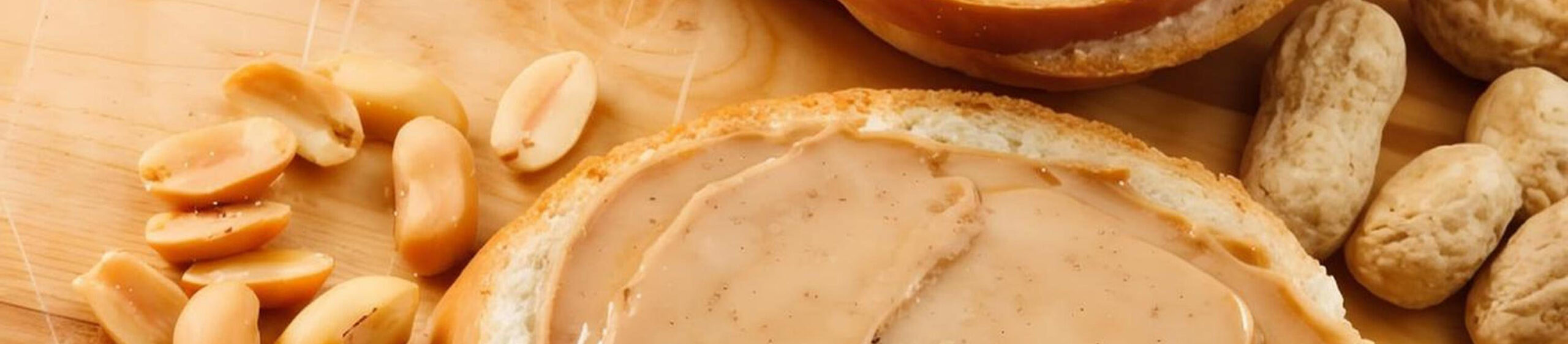
As a kind of food with rich nutrition and unique taste, peanut butter is deeply loved by many people. However, when using peanut butter machine to process peanut butter, some people will find that the texture of the finished product is obviously grainy, which may affect the eating experience. So, what causes this phenomenon?
5 Critical Factors & How Your Peanut Butter Making Machine Can Fix Them
1. Inadequate peanut processing
The pre-processing of peanuts is crucial before processing peanut butter. If the peanuts are not roasted evenly or for too short a time, resulting in a high internal moisture content, they may not be completely and evenly ground during the grinding process, resulting in a grainy texture. Therefore, it is recommended to ensure that the peanuts are thoroughly roasted and evenly colored before processing, which will make it easier to achieve a smooth texture.
2. Peanut Butter Making Machine Performance & Blade/Stator Design
Not all machines are equal. Graininess often stems from mechanical limitations:
| Machine Type | Rotor-Stator Gap | Suitable Fineness | Common Issue |
|---|---|---|---|
| Household blenders | > 1 mm | ≥ 150 μm | High grit retention |
| Colloid mill (industrial) | 0.2–0.5 mm | ≤ 40 μm | Smooth output if adjusted |
| Stone mill | Fixed gap | 50–80 μm | Inconsistent wear |
Critical Parameters:
- Tip speed (linear velocity) should exceed 20 m/s for effective micro-cutting.
- Hardened stainless steel rotors (e.g., SUS304/316L) with multi-stage shear teeth improve particle size reduction by 30–40%.
- Regularly check stator gap wear—a worn gap > 0.6 mm doubles particle size (from 40 μm to > 100 μm), directly causing graininess.
Recommendation: For ≤ 40 μm smoothness, invest in a variable-speed peanut butter colloid mill with a digital gap adjustment feature. This allows real-time texture control during production.
3. Insufficient processing time
When using the peanut butter machine, the processing time also affects the texture of the peanut butter. If the grinding time is too short, the peanut particles may not be fully crushed, resulting in a noticeably grainy texture in the final product. Therefore, the grinding time should be appropriately extended according to the equipment manual until the desired fineness is achieved.

4. Improper additive ratio
Some people add oil, sugar, or salt to peanut butter to adjust the flavor. However, if the ratio of these additives is incorrect, it can affect the flowability and uniformity of the peanut butter, thus exacerbating its grainy texture. It is recommended to add these ingredients gradually in small amounts, stirring thoroughly to ensure even mixing.
5. The influence of peanut variety
Different peanut varieties vary in oil content and texture. Some varieties have lower oil content, making them more difficult to grind into a smooth paste; while peanuts with higher oil content are easier to grind into a smooth paste. Therefore, choosing a high-quality, high-oil peanut variety suitable for making peanut butter is also important.
Final Recommendations for Professional Peanut Butter Production
To eliminate graininess and achieve market-leading smoothness, adopt this integrated workflow:
- Raw Material QA – Moisture ≤ 2%, oil ≥ 48%, free from foreign matter.
- Roasting – Even color, cool to 80°C before milling.
- Primary Grinding – Use a peanut butter colloid mill with gap set to 0.4 mm, run for 5 min.
- Additives – Introduce sugar/salt/stabilizers post-primary grind.
- Final Grinding – Reduce gap to 0.2–0.25 mm, recirculate for 8–10 min.
- Deaeration – Vacuum degas to remove trapped air (which mimics graininess).
- Filling – Maintain at 40–45°C to preserve fluidity.
A obvious grainy texture in peanut butter can be caused by a variety of factors, including insufficient peanut processing, insufficient performance of the peanut butter making machine, short processing time, improper additive ratios, and the choice of peanut variety. These issues can be addressed by improving the operating procedures and selecting high-quality equipment and raw materials. Hopefully, this analysis will help you make a smoother and more delicious peanut butter.