

Peanut butter production line is the core equipment used for large-scale peanut butter production. In food production management, “capacity reservation” is a common concept, referring to reserving some production capacity during the planning and design of a production line for potential future demand growth or special circumstances. So, specifically for a peanut butter production line, what does “capacity reservation” mean?
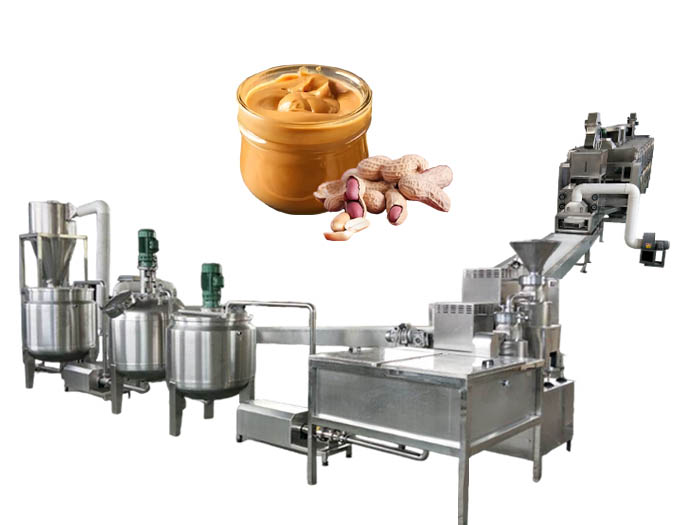
First, capacity reservation is to cope with fluctuations in market demand. Market demand in the food industry is often uncertain. For example, during holidays or promotional events, the demand for peanut butter may increase significantly. If the production line is designed entirely according to current demand without any spare capacity, a surge in demand could lead to a supply shortage. Capacity reservation allows for a short-term increase in production capacity to meet additional market demand.
Second, capacity reservation also provides room for long-term business development. As a company expands and its market share increases, future order volumes may gradually increase. If the production line was designed with this in mind and reserved a certain amount of capacity in mind, the company will not need to reinvest in building new peanut butter production line when expanding its business, thus saving costs and time.
In addition, reserving capacity can improve the flexibility of the peanut butter production line. In actual production, situations such as equipment maintenance, unstable raw material supply, or unexpected orders may arise. In these cases, additional capacity can act as a buffer, helping the company operate smoothly and avoiding disruptions to normal production due to unforeseen circumstances.
Last, it’s important to note that capacity reservation is not about adding equipment or resources indefinitely, but rather about based on scientific forecasting and reasonable planning. Excessive capacity reservation may lead to resource waste, while insufficient reservation will fail to effectively respond to changes in demand. Therefore, companies need to comprehensively evaluate and formulate reasonable capacity reservation plans based on market research, historical data, and future development plans.
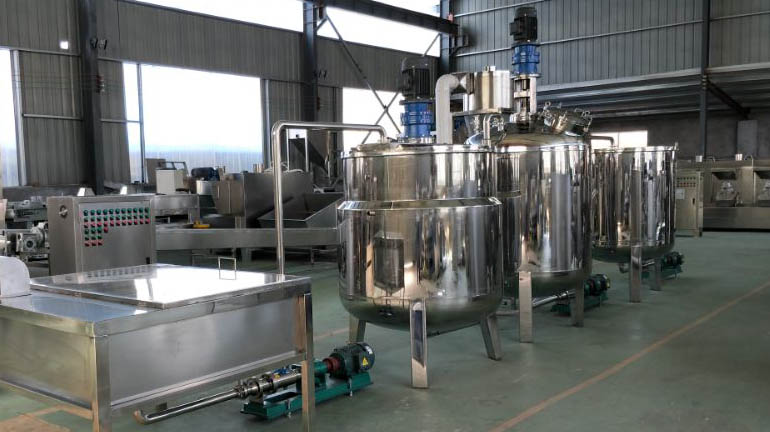
In conclusion, reserving capacity in a peanut butter production line is a proactive management strategy that not only helps companies respond flexibly to market changes but also lays a solid foundation for future development. In the increasingly competitive food processing industry, reasonable capacity reservation is undoubtedly one of the important means to enhance a company’s competitiveness.