

Peanut butter is a globally beloved, nutrient-rich food, and the equipment used to make it plays a crucial role in its quality, texture, and production scale. Whether you’re a home enthusiast, small business owner, or industrial producer, choosing the right peanut butter machine is essential. This article provides a detailed comparison between small-scale and commercial peanut butter machines to help you make an informed decision based on your specific needs.

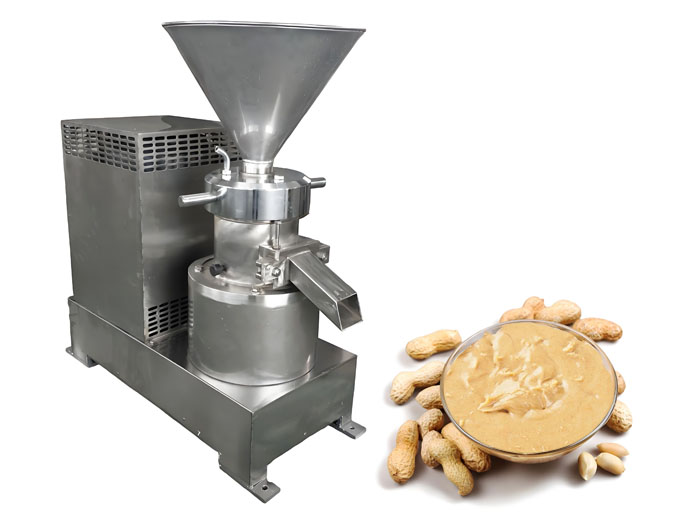
1. Applications and Use Cases
The primary distinction lies in their intended purpose.
Small-Scale Peanut Butter Machines: This type of peanut butter maker is ideal for home kitchens, small batch producers, farmers’ markets, boutique health food stores, and small cafes. Perfect for those wanting to make fresh, preservative-free nut butters in small quantities or experiment with different recipes (e.g., adding honey, cinnamon, or other nuts).
Commercial Peanut Butter Machines: These machines are engineered for industrial peanut butter production, serving as the backbone of medium to large-scale food processing plants. They are designed for continuous, high-volume output to supply supermarkets, major distributors, and the food service industry. Commercial peanut butter machines are essential for maintaining consistent quality and meeting robust market demand.
2. Production Capacity and Output
Production capacity is the defining factor distinguishing these two machine categories.
Small Machines: Compact peanut butter machines have limited processing capacity, typically handling only a few kilograms of peanuts per batch. This makes them suitable for daily household consumption or small-batch retail. Their operation is usually batch-based rather than continuous.
Commercial Machines: Industrial peanut butter machines are highly efficient and high-yield. They can process hundreds of kilograms to several tons of raw materials per hour. Many models integrate into continuous peanut butter production lines, featuring automated feeding and discharge systems for uninterrupted operation, maximizing output in large-scale production.
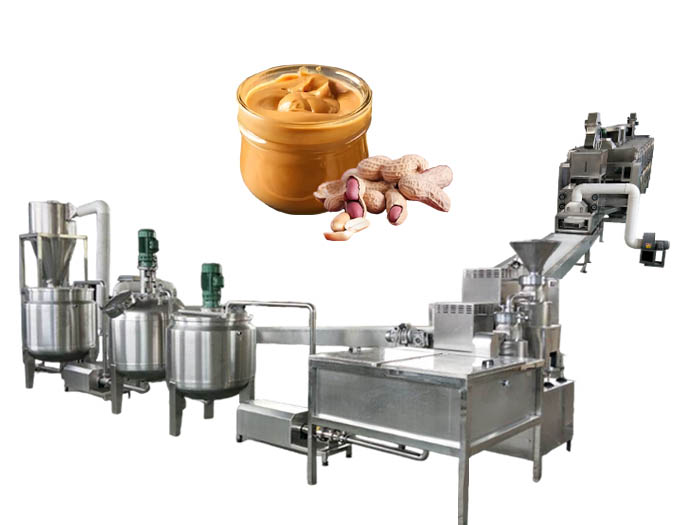
3. Structural Design and Features
Design complexity directly correlates with machine functionality.
Small Machines: These feature compact, lightweight, portable designs. They typically operate with minimal complexity, often requiring just a button press to initiate grinding. Their straightforward construction facilitates easy cleaning and storage, making them suitable for users without specialized technical knowledge.
Commercial Machines: Commercial peanut butter grinding machines represent sophisticated food processing equipment. They commonly incorporate multiple functional modules, such as:
- Automatic Feeding System: Enables continuous, hands-free material input.
- Cooling system: Prevents overheating during prolonged operation, safeguarding the motor and ensuring product quality.
- Precision grinding discs: Adjustable fineness settings, producing textures from coarse to ultra-smooth.
- Stainless steel construction: Meets stringent food safety and hygiene standards.
Operators require specialized training to manage controls, perform maintenance, and troubleshoot issues.
4. Significant price variations exist.
Small-scale machines: The price of a small peanut butter machine is relatively affordable, making it a low-risk investment for individuals and small startups. The low operating and maintenance costs are an added advantage.
Commercial machines: Industrial peanut butter processing equipment commands higher prices due to advanced technology, robust construction, and high throughput. However, for established businesses, superior production efficiency, consistency, and long-term return on investment (ROI) justify the expense.
5. Key Purchase Considerations
When selecting a peanut butter making machine, consider the following:
- Ingredient versatility: Many machines can also grind sesame seeds into tahini, almonds into almond butter, and other nuts. Verify the machine’s compatibility.
- Final product texture: Determine whether you require chunky, crunchy, or smooth peanut butter. Commercial machines typically offer greater control over grinding fineness.
- Hygiene and Maintenance: Stainless steel peanut butter machines are easier to clean and better suited for commercial use, meeting sanitation regulations.
- Power and Energy Consumption: Commercial peanut butter machines demand higher power, which should be factored into operational costs.
Making the Right Choice for Your Needs
Ultimately, the choice between a small-scale and commercial peanut butter machine depends on your production goals, budget, and target market.
For households, small cafes, or artisanal producers: Small peanut butter machines offer a perfect, cost-effective solution for producing high-quality small-batch products. For large-scale food manufacturing and industrial production: Investing in a high-performance commercial peanut butter machine or a complete peanut butter production line is essential for achieving high efficiency, consistent quality, and profitability.
Understanding these differences empowers you to select the most suitable peanut butter processing equipment to successfully meet your production needs.