
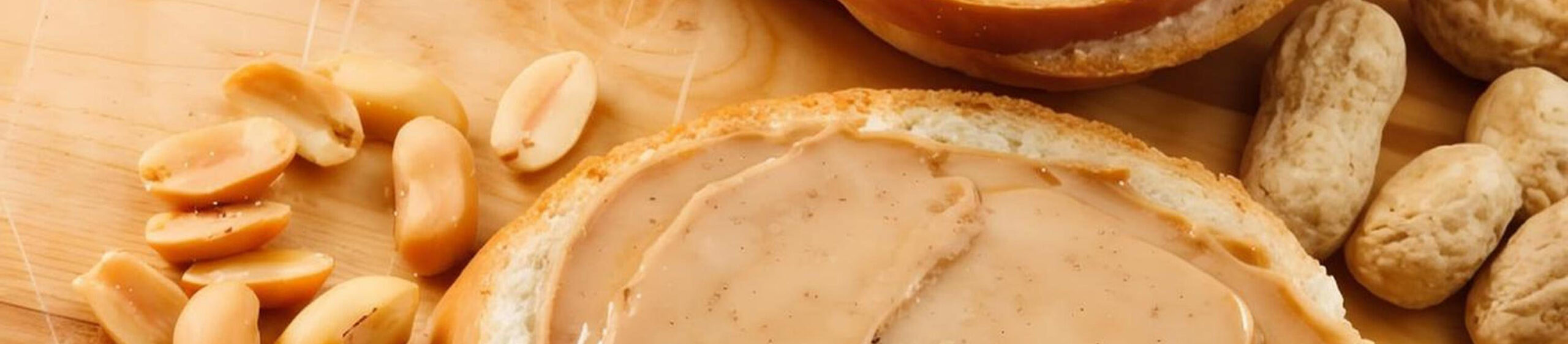
Peanut butter is a globally popular food product whose production process involves multiple stages—grinding, mixing, homogenization, and final filling. The filling process is critical as it directly impacts product shelf life, hygiene, and appearance. To improve efficiency and maintain consistent quality, many manufacturers are turning to specialized peanut butter filling machines. Choosing the right equipment can significantly impact your production volume and profitability.

Here are the factors to consider when selecting a peanut butter filling machine.
1. Equipment Performance and Quality
Performance is one of the most important factors when selecting a peanut butter filling machine. Key aspects to evaluate include:
- Filling accuracy: Choose a machine that can fill with precision to minimize product waste and ensure consistent portion control.
- Speed: Based on your production volume, the machine’s speed (number of containers filled per minute) should align with your production requirements.
- Versatility: Can the machine handle different types and sizes of containers? Is it suitable for various consistencies of nut butter (e.g., creamy, crunchy, or organic peanut butter)?
- Manufacturing quality: Choose machines made of food-grade stainless steel to ensure durability and ease of cleaning. Reputable manufacturers typically offer more reliable products that meet food safety standards.
2. Production scale
Your production volume will determine the most suitable type of peanut butter filling machine for your needs:
- Small-scale producers: Manual or semi-automatic filling machines are cost-effective and suitable for startups or businesses with lower production volumes.
- Large enterprises: Fully automatic peanut butter production lines with integrated sealing, labeling, and capping functions maximize efficiency and reduce labor costs.
3. Maintenance and Cleaning Convenience
Machines that are easy to clean and maintain reduce downtime and extend equipment lifespan. Key features to consider include:
- CIP (Clean-in-Place) system: Automatic cleaning without disassembly.
- Accessible components: Ensure critical components are easily accessible for daily maintenance.
- Spare parts supply: Choose a supplier that offers reliable technical support and spare parts supply.
4. Budget and Return on Investment
While price is an important factor, it should not be the only consideration. Consider:
- Initial investment vs. long-term value: Higher-quality peanut butter butter machines may have higher upfront costs, but over time, they offer greater reliability and lower operational costs.
- Total cost of ownership: Includes potential costs for maintenance, energy consumption, and operator training.
5. Integration with Existing Production Lines
If you are expanding or building a new peanut butter production line, ensure that the filling machine can integrate seamlessly with other equipment, such as grinders, mixers, homogenizers, capping and labeling machines, and conveying systems.
6. Hygiene and Compliance
The machine must comply with international hygiene standards such as FDA, CE, or ISO. This is particularly important if you plan to export products.
7. Customization and Support
Many manufacturers offer customized solutions for specific product types or packaging formats. Additionally, consider after-sales service, installation support, and operator training.
Selecting the appropriate peanut butter filling machine requires balancing performance, production requirements, maintenance, and budget. Whether you invest in a standalone filling machine or a complete peanut butter production line, the right equipment can help you improve efficiency, enhance product quality, and expand your business.
By making informed decisions, you can optimize your peanut butter production process and meet the growing consumer demand for high-quality, safely packaged nut butter products.