
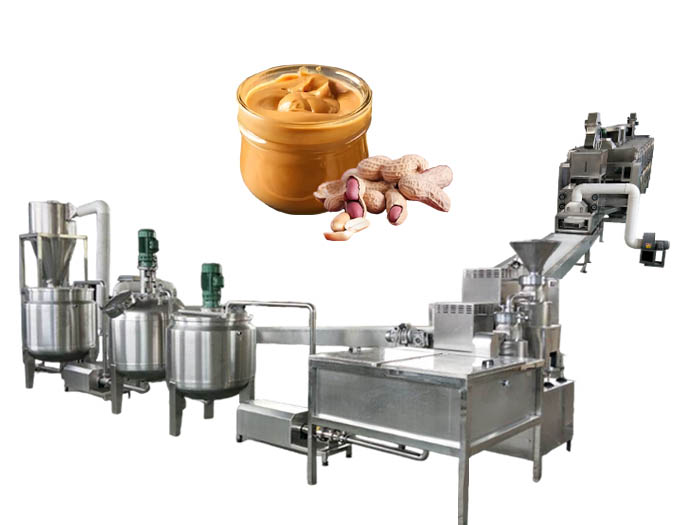
Seamless integration of peanut butter production lines is a critical factor in modern food processing, directly impacting product consistency, output, operational efficiency, and long-term equipment reliability. A complete peanut butter production process typically includes peanut washing, roasting, cooling, hulling, grinding, mixing, homogenization, degassing, and filling. Any lack of coordination between these stages can lead to production bottlenecks, material waste, inconsistent quality, and even damage to peanut butter production equipment.
As market demand for high-quality, hygienic peanut butter products continues to grow, manufacturers increasingly prioritize the overall integration and automation level of peanut butter production lines.
1. Equipment Matching and Capacity Coordination
Proper equipment matching forms the foundation of an efficient peanut butter production line. Each piece of equipment—such as the peanut roasting machine, peanut peeling machine, peanut grinding machine, mixing tank, and filling machine—must be matched based on its processing capacity and operating speed.
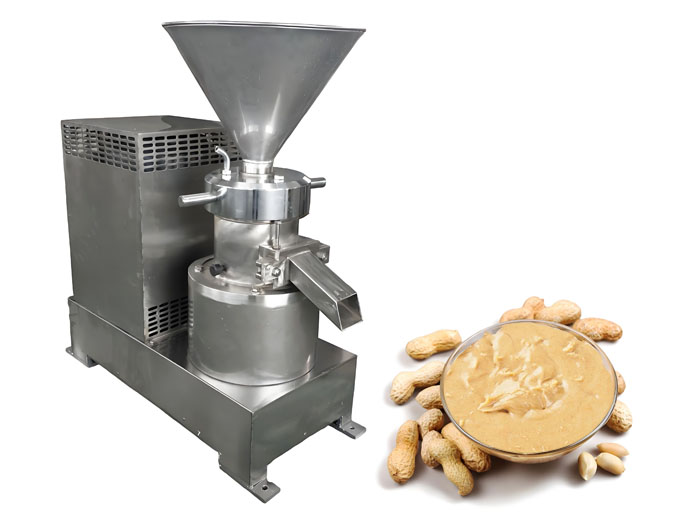
For example, For example, if the output of the peanut butter making machine exceeds the capacity of the mixing or filling system, material backlogs may occur, compromising texture consistency and increasing cleaning frequency. Conversely, undersized grinding equipment can constrain the entire line’s throughput. Professional production line design ensures all peanut butter equipment operates in a balanced and continuous manner.
2. The Importance of Automated Control Systems
Advanced automation control systems play a crucial role in addressing connectivity issues within automated peanut butter production lines. By integrating PLC control and sensor-based monitoring, manufacturers achieve real-time data feedback, synchronized operation, and intelligent adjustments throughout the entire process.
When anomalies occur—such as temperature fluctuations during roasting or pressure changes during grinding—the system can automatically adjust upstream or downstream equipment to prevent production interruptions. Automation not only enhances production stability but also improves product consistency, reduces labor costs, and minimizes human error.
3. Process Design and Material Handling Optimization
Beyond individual machines, overall process layout and material conveyance methods significantly impact production line connectivity. Utilizing sanitary screw conveyors, buffer tanks, and food-grade pumps ensures smooth peanut butter transfer between stages, preventing contamination or unnecessary air exposure.
Optimized process design also shortens transition times between operations, boosting industrial peanut butter production line efficiency while strictly adhering to food safety standards.
4. Operator Skills and Production Management
Even with advanced peanut butter making equipment, operator expertise and standardized management processes remain critical. Skilled technicians can swiftly identify abnormal vibrations, noises, or temperature fluctuations and address issues before they escalate.
Establishing clear operating procedures, maintenance logs, and quality control checkpoints ensures every stage of the peanut butter production line operates according to design specifications. Regular training further enhances staff adaptability to automated systems.
5. Maintenance and Preventive Care
Routine maintenance forms the foundation for long-term, stable production line operation. Continuous operation inevitably causes wear on critical components like grinders, bearings, motors, and seals. Without timely inspection and replacement, minor faults can escalate into significant connectivity issues.
A preventive maintenance program—including lubrication schedules, spare parts management, and periodic system calibration—extends the lifespan of peanut butter making equipment and ensures uninterrupted production.
6. Conclusion and Professional Solutions
In summary, connectivity challenges in peanut butter production lines require a multidimensional approach encompassing equipment selection, automation levels, process design, personnel management, and maintenance strategies. A well-integrated, intelligently controlled peanut butter processing line significantly enhances production efficiency, reduces operational costs, and guarantees consistent product quality.
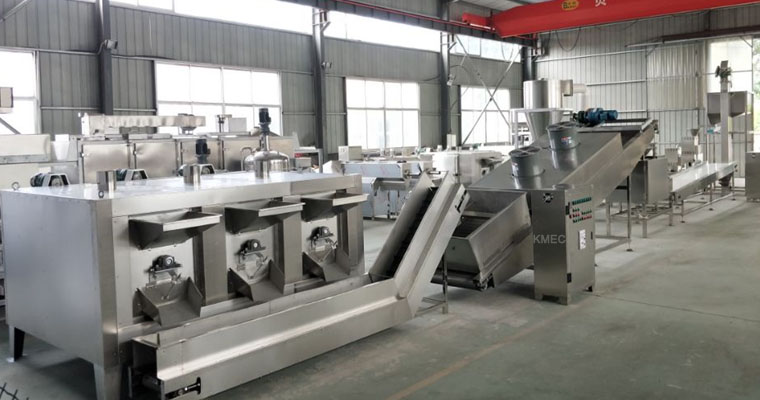
Our company specializes in providing complete peanut butter production line solutions—from raw peanut processing to final packaging. Through scientific layout design, high-performance equipment, and advanced automation technology, we help clients achieve seamless process integration, maximize production efficiency, and meet international food processing standards.